 Proformance Floors
Industrial coatings.
Epoxy, polyurea, polyaspartic, urethane, urethane cement and methyl methacrylate. Systems built for chemicals, impact, heat and constant traffic, installed on a properly opened slab so they stay down.
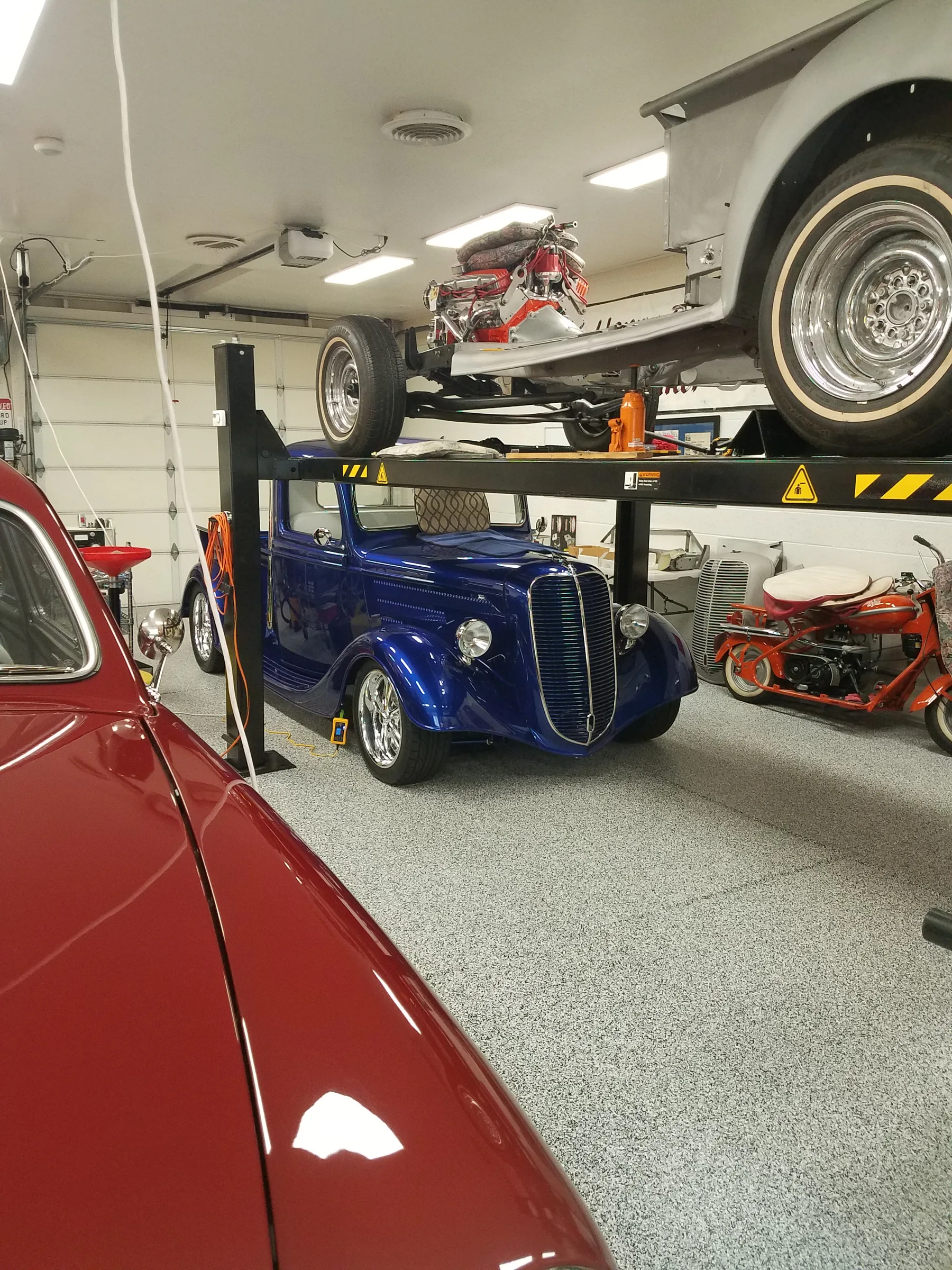
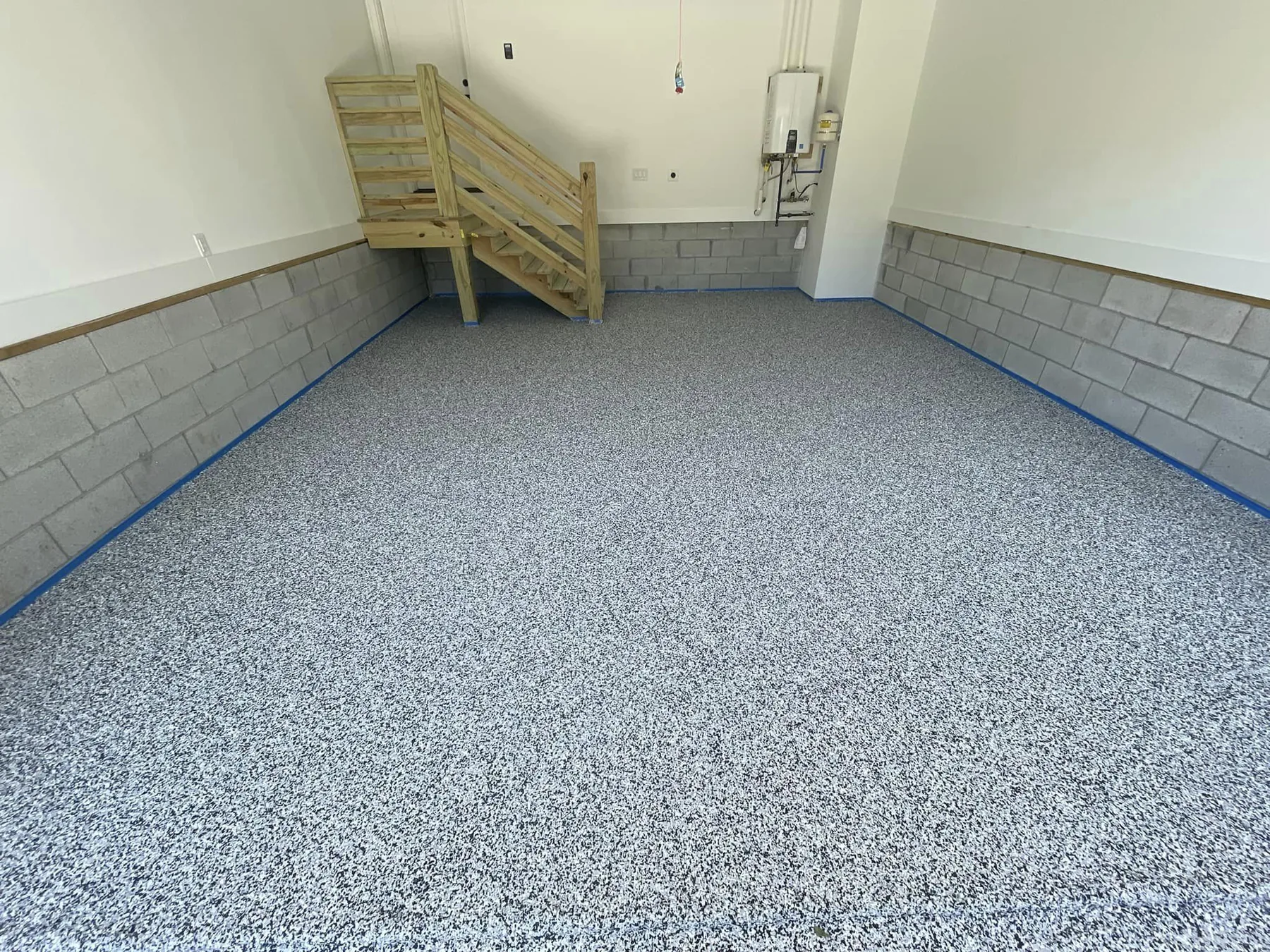
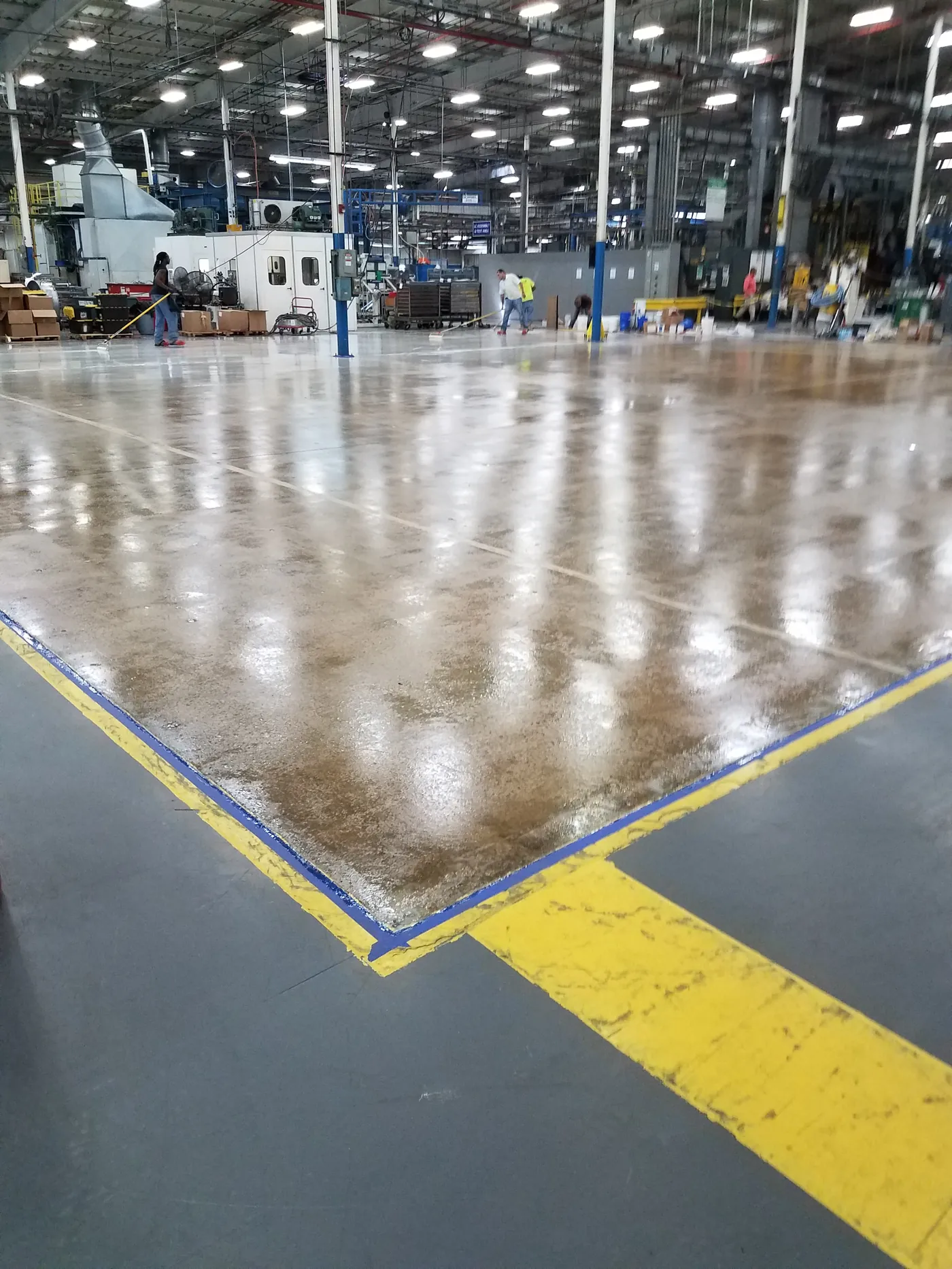
Six systems, matched to the abuse.
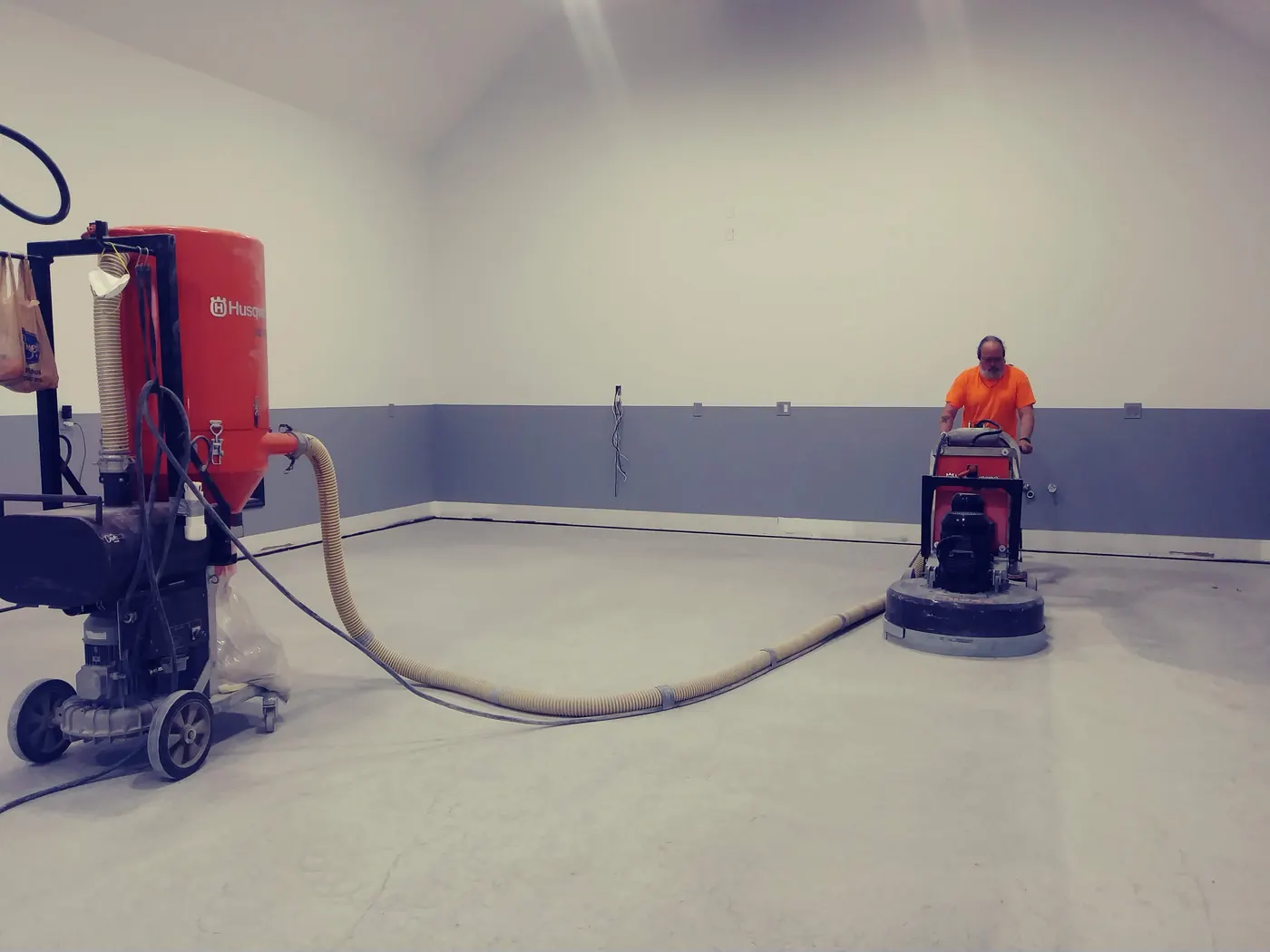
The right coating depends on what the floor sees. All of them go on the same way: a slab profiled by a 1,000 lb diamond grinder, so the coating bonds into the concrete rather than sitting on top of it.
Industrial epoxy is the workhorse: thick, tough and chemical resistant, for shops, plants and warehouses. Urethane cement takes thermal shock, hot wash downs and heavy chemical exposure in kitchens, food plants and wash bays. Urethane top coats add abrasion resistance. Polyurea and polyaspartic cure fast for floors that have to be back in service quickly. MMA cures in about an hour, even cold, for the jobs that cannot wait.
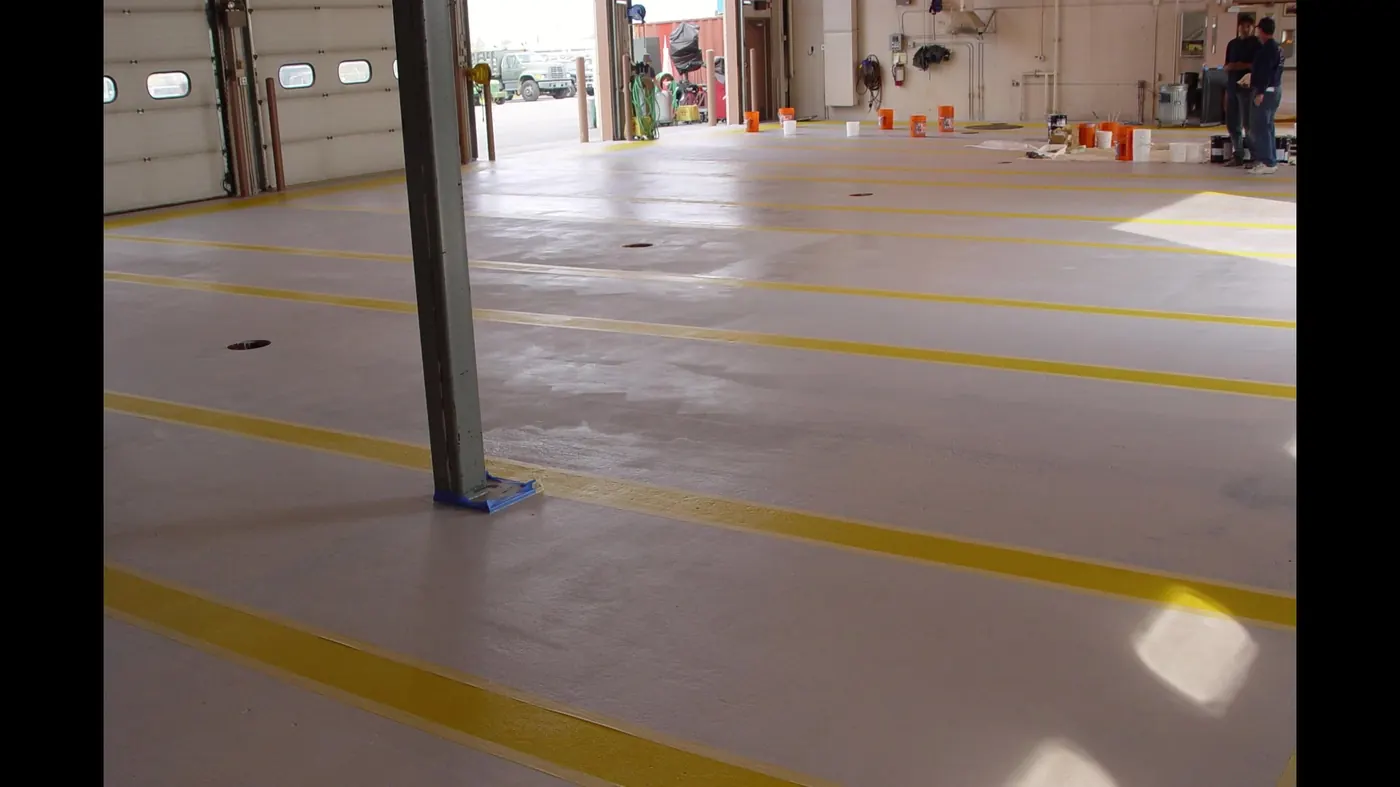
Quartz broadcast adds slip resistance and thickness for wet and heavy duty areas. Line striping, aisles, dock zones and hazard marking go in on top, so people and equipment share the floor safely.
- Best for
- Plants, warehouses, shops, kitchens, loading docks
- Systems
- Epoxy, urethane, urethane cement, polyurea, polyaspartic, MMA
- Options
- Quartz broadcast, slip texture, line striping, coving
- Return to service
- Fast cure systems available
- Pricing
- $2 to $18 per square foot installed
How it goes in.
The order matters. Every step exists because skipping it shows up later.
- ProfileThe slab is opened with the PG 820 grinder on a HEPA vacuum. This is the step kit floors skip, and why they peel.
- RepairCracks, joints and spalls get filled so the coating is continuous.
- PrimeA primer soaks into the profiled slab and gives the system something to bite.
- Body coatThe main coat goes down at the thickness the use calls for, with quartz or aggregate broadcast if the floor needs texture.
- Top coatA chemical resistant top coat, with line striping and safety marking applied after.
Before and after.
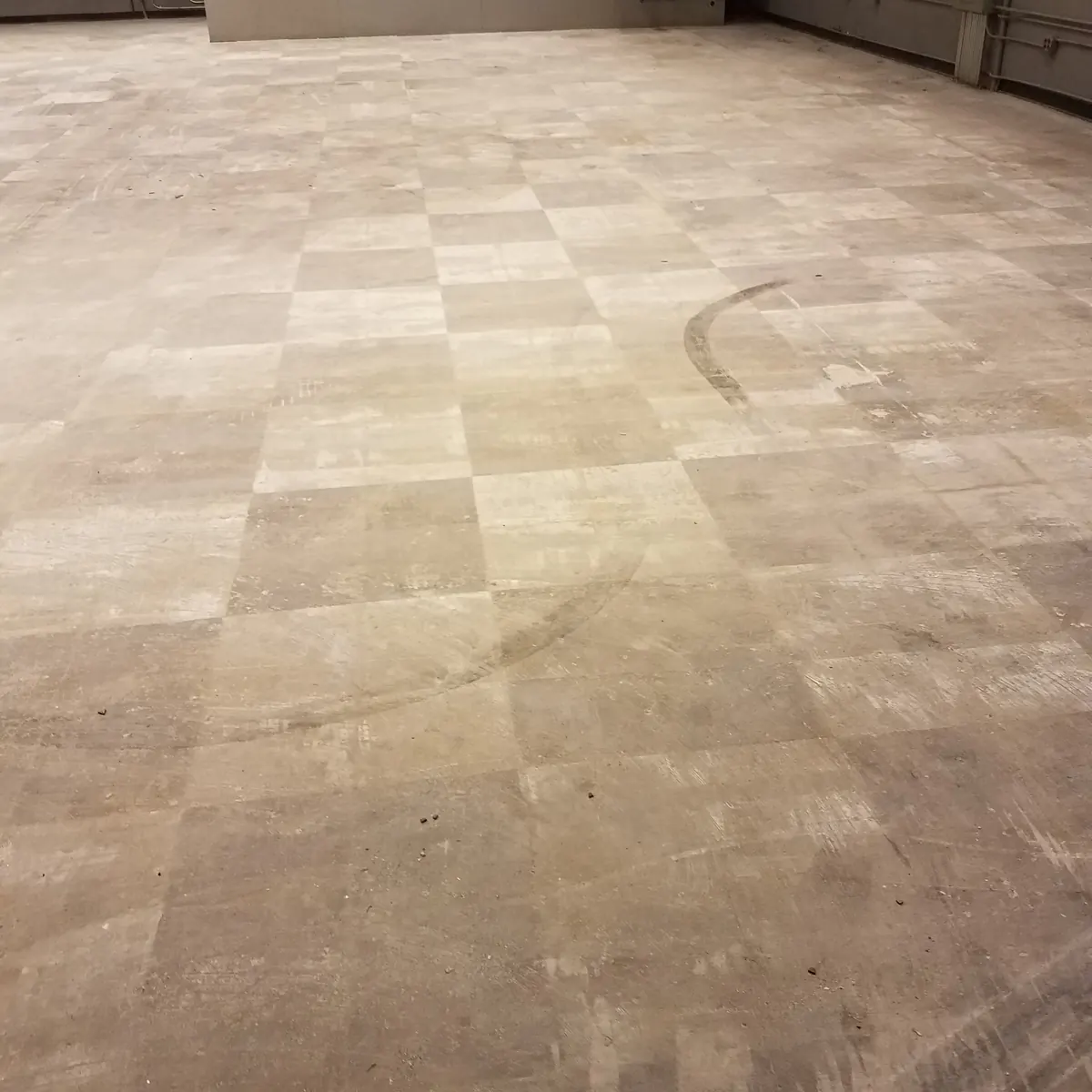
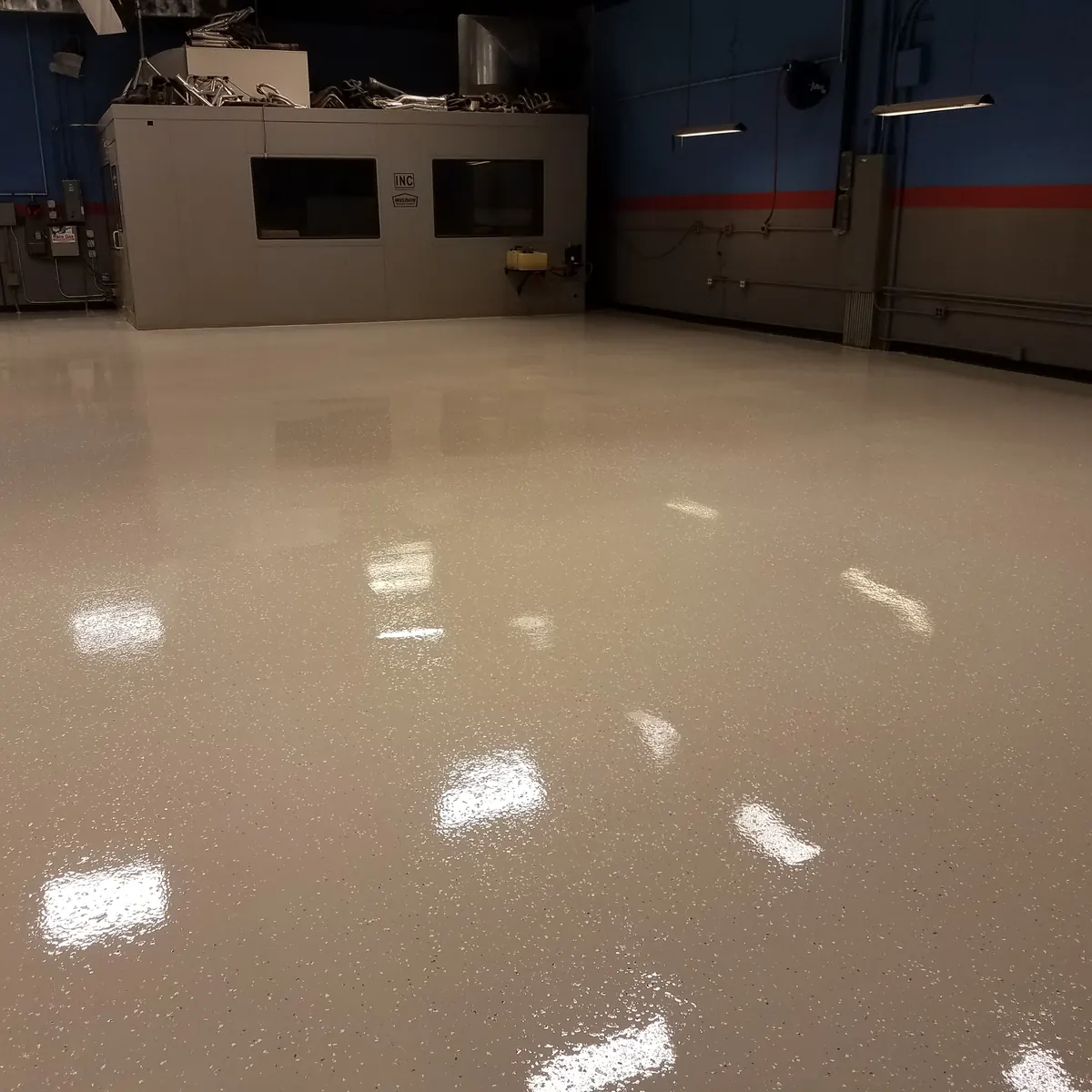
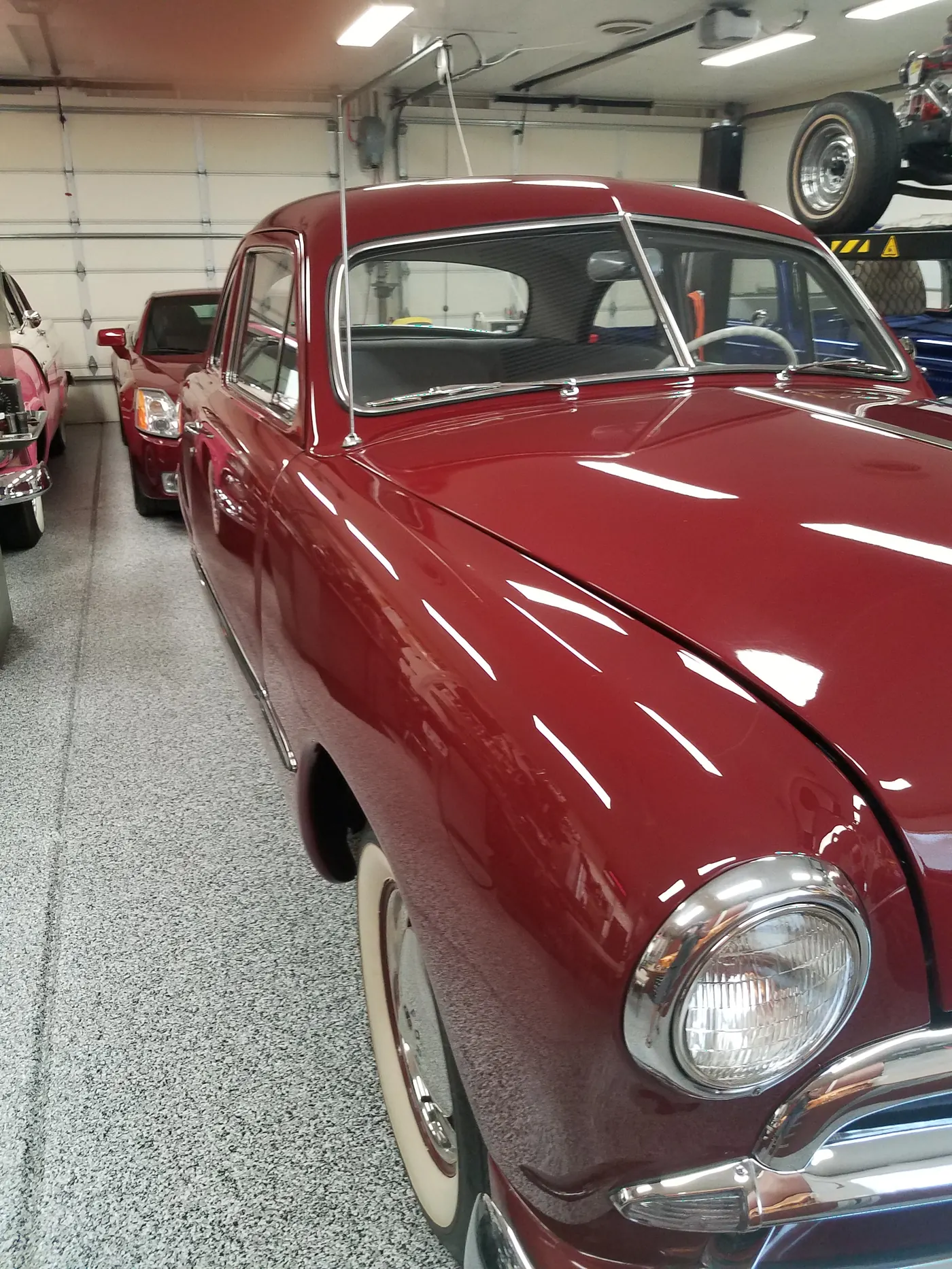
Industrial shop floor. Bare, stained concrete with tile ghosting and tire marks, ground and coated with a flake epoxy system.
Industrial coatings we have done.
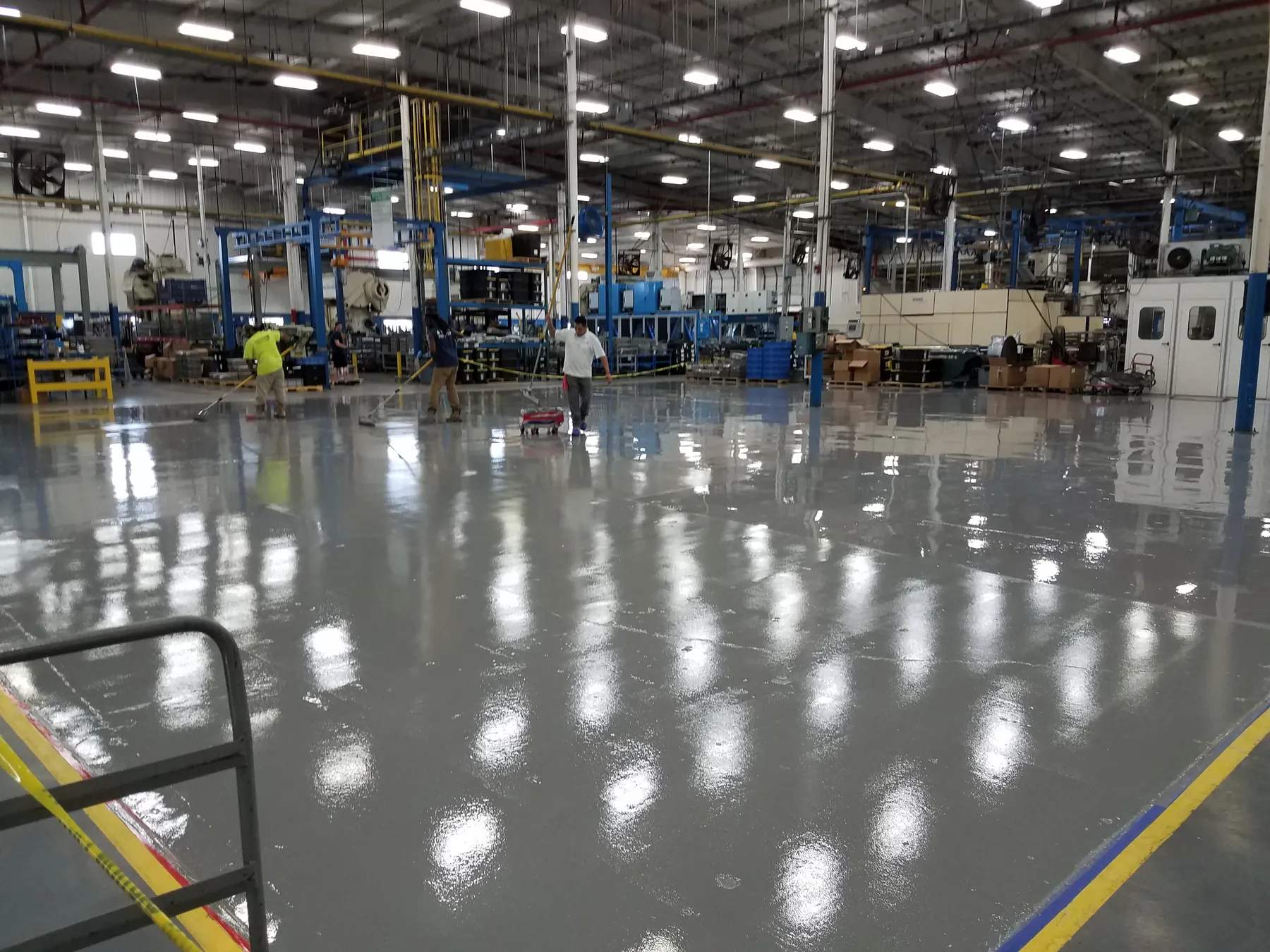
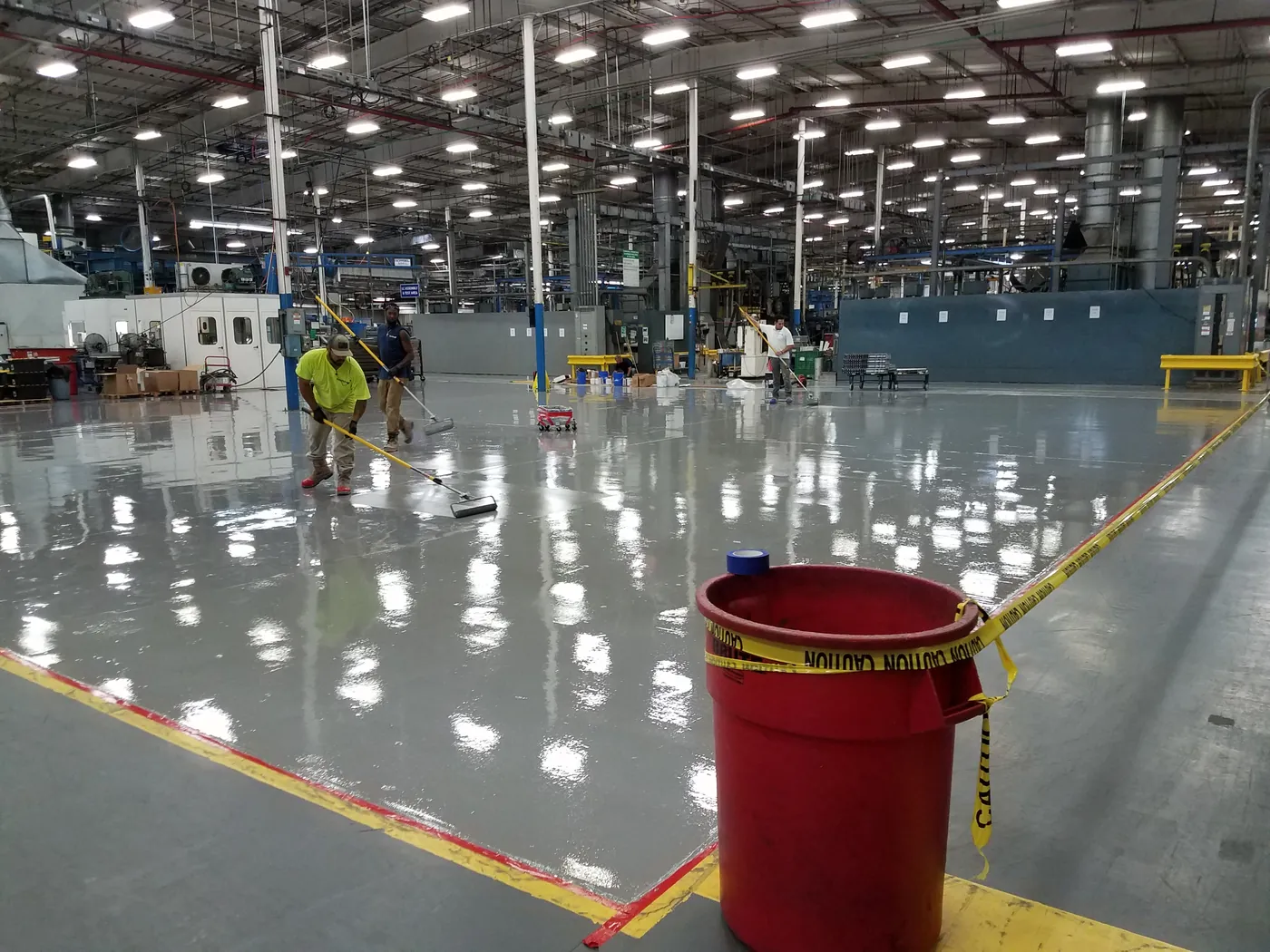
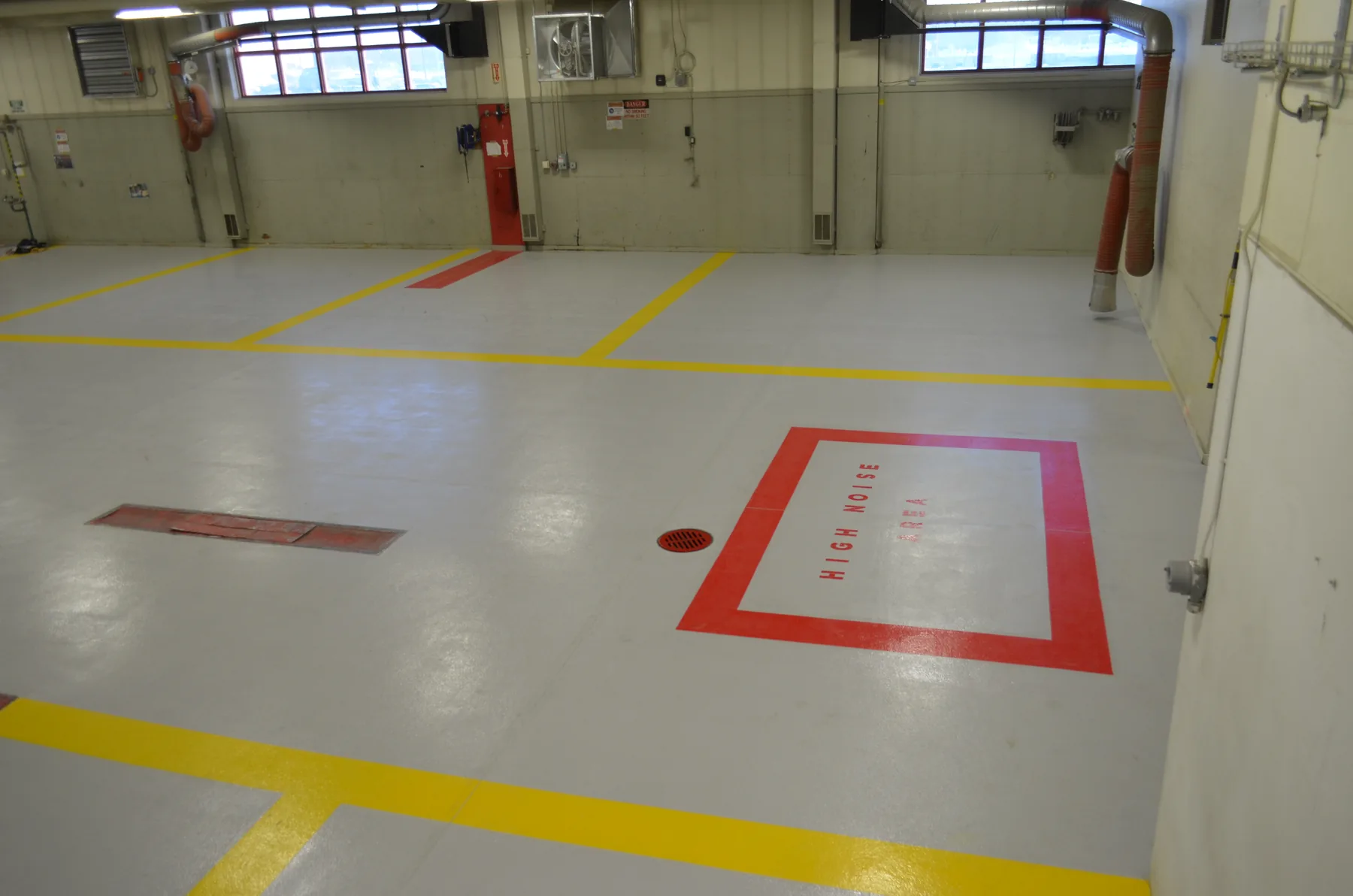
The other systems.
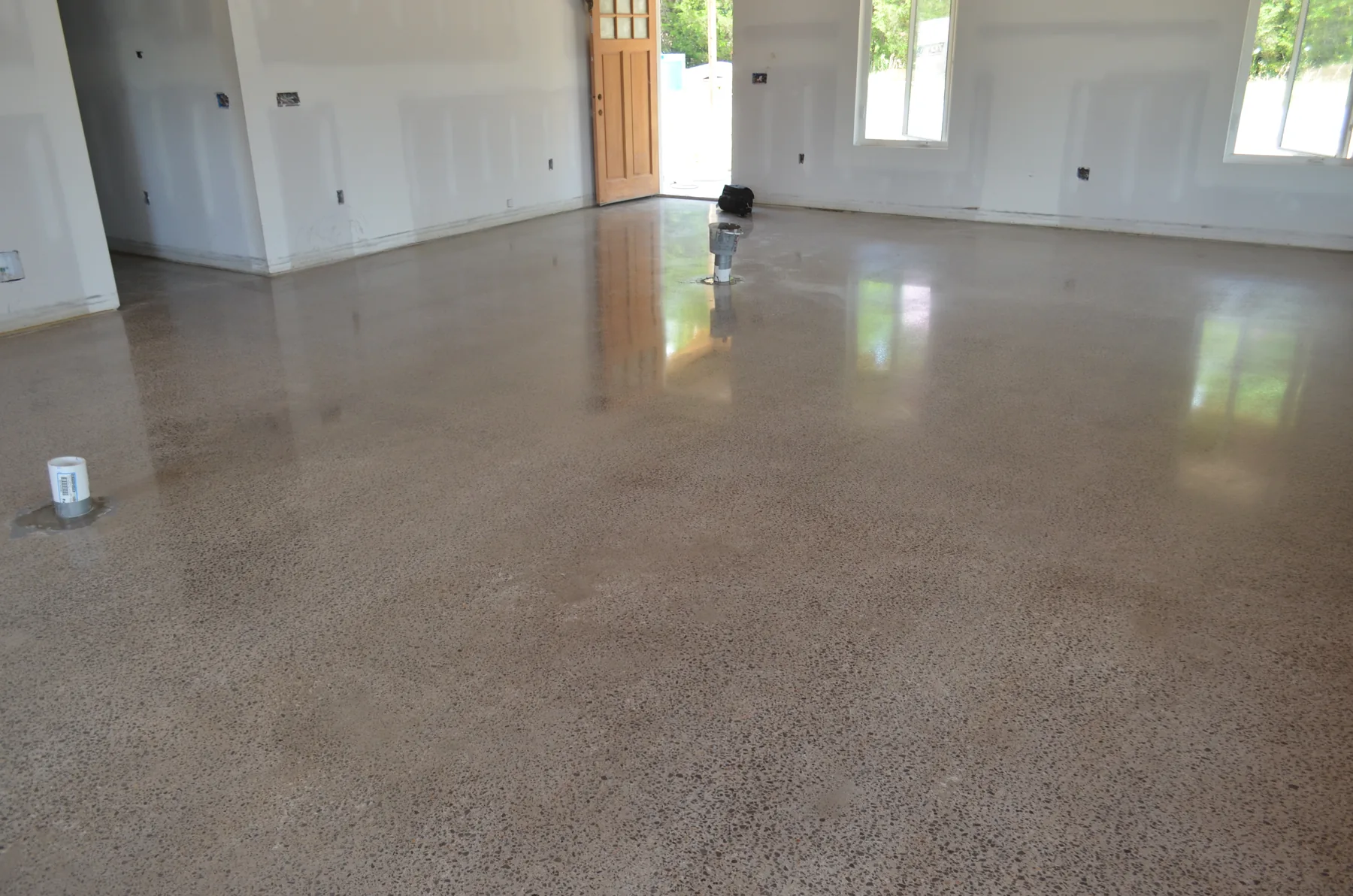
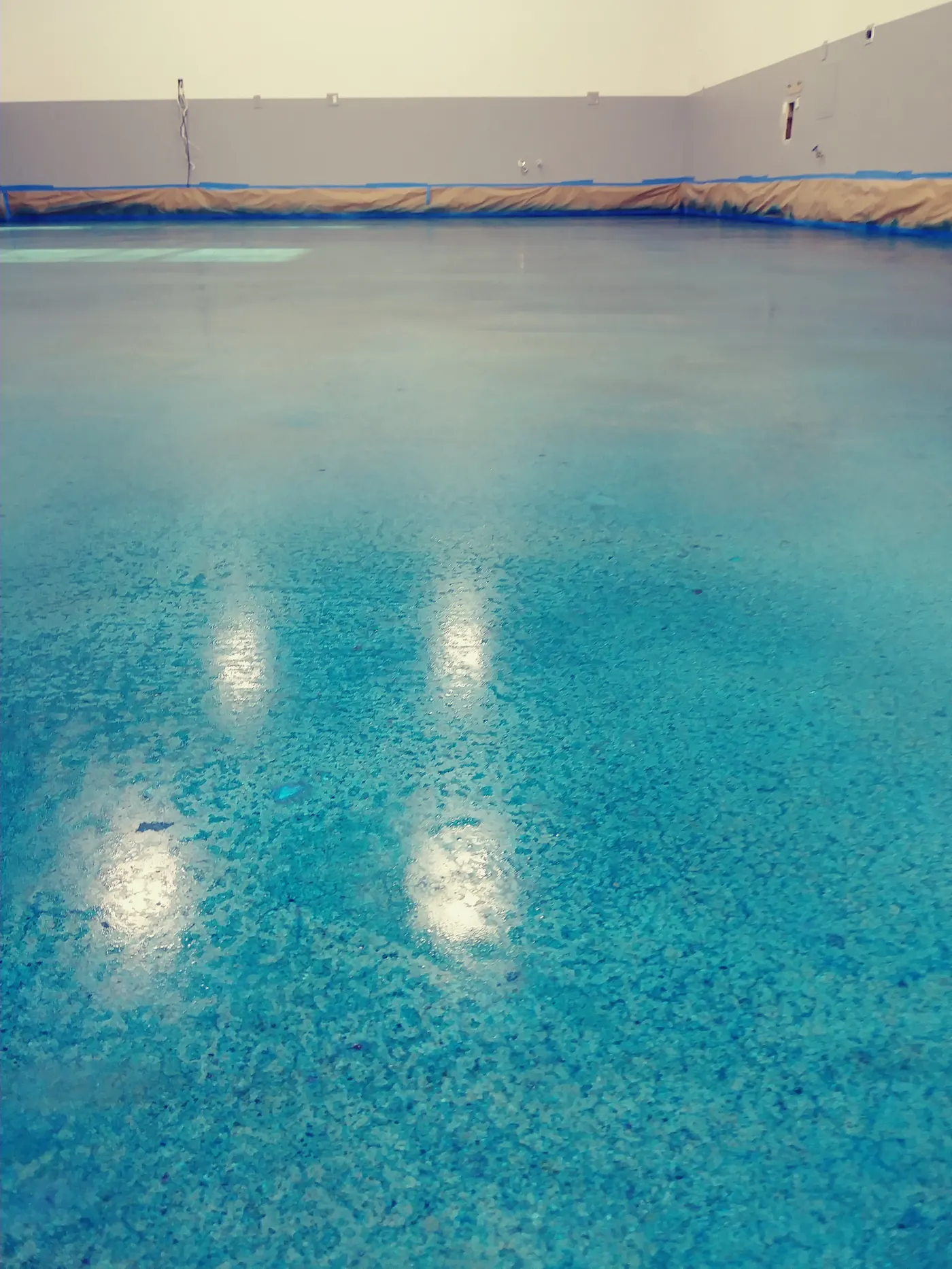
Polished concrete
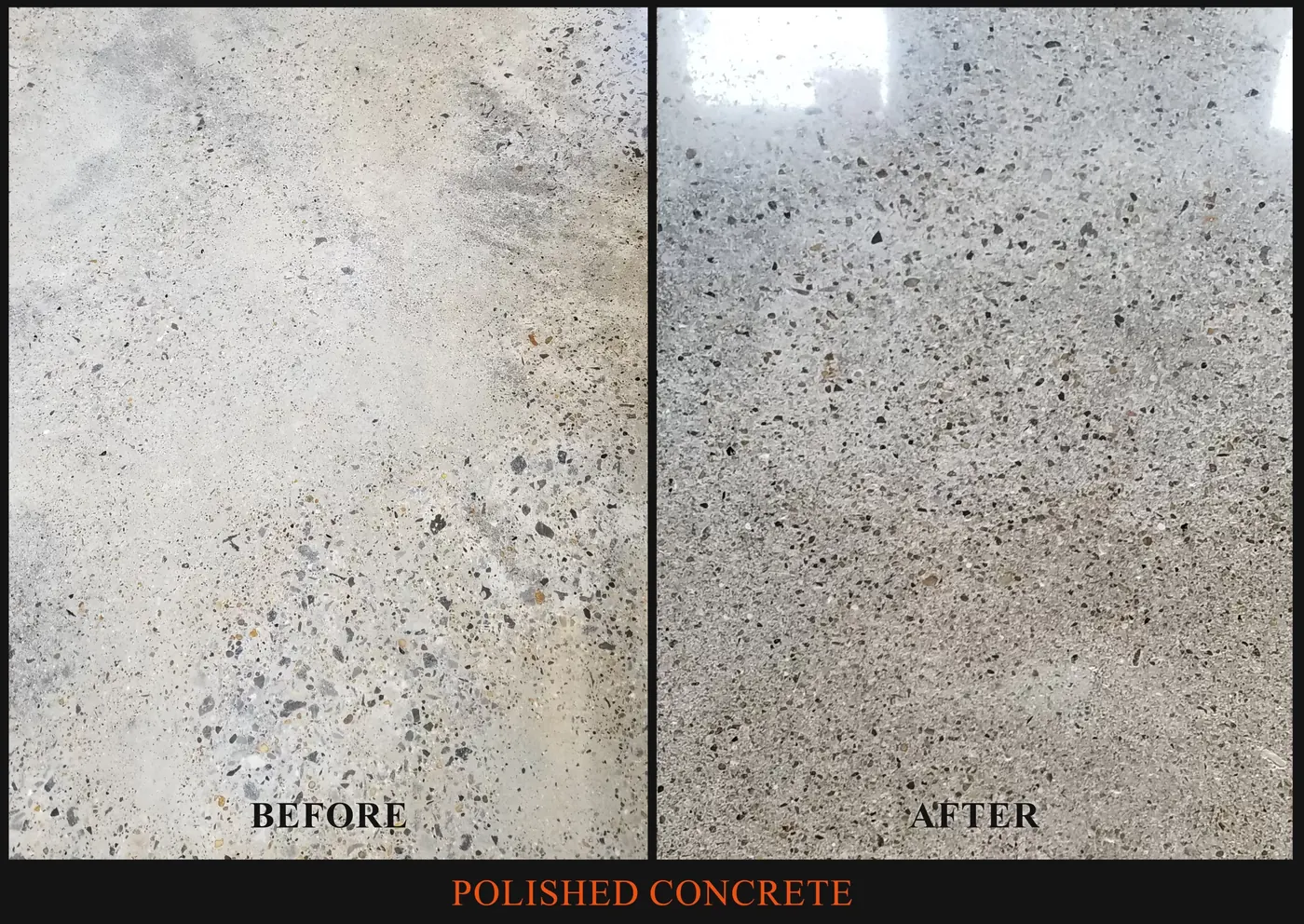
Grind, hone, densify and polish. A dusting, pitted slab becomes a hard, sealed, reflective floor that cleans with a mop and holds up for years.
Metallic and decorative
Metallic epoxy, stains and dyes for lobbies, showrooms, restaurants and retail. Industrial durability underneath, a finish people notice on top.
Repair and prep
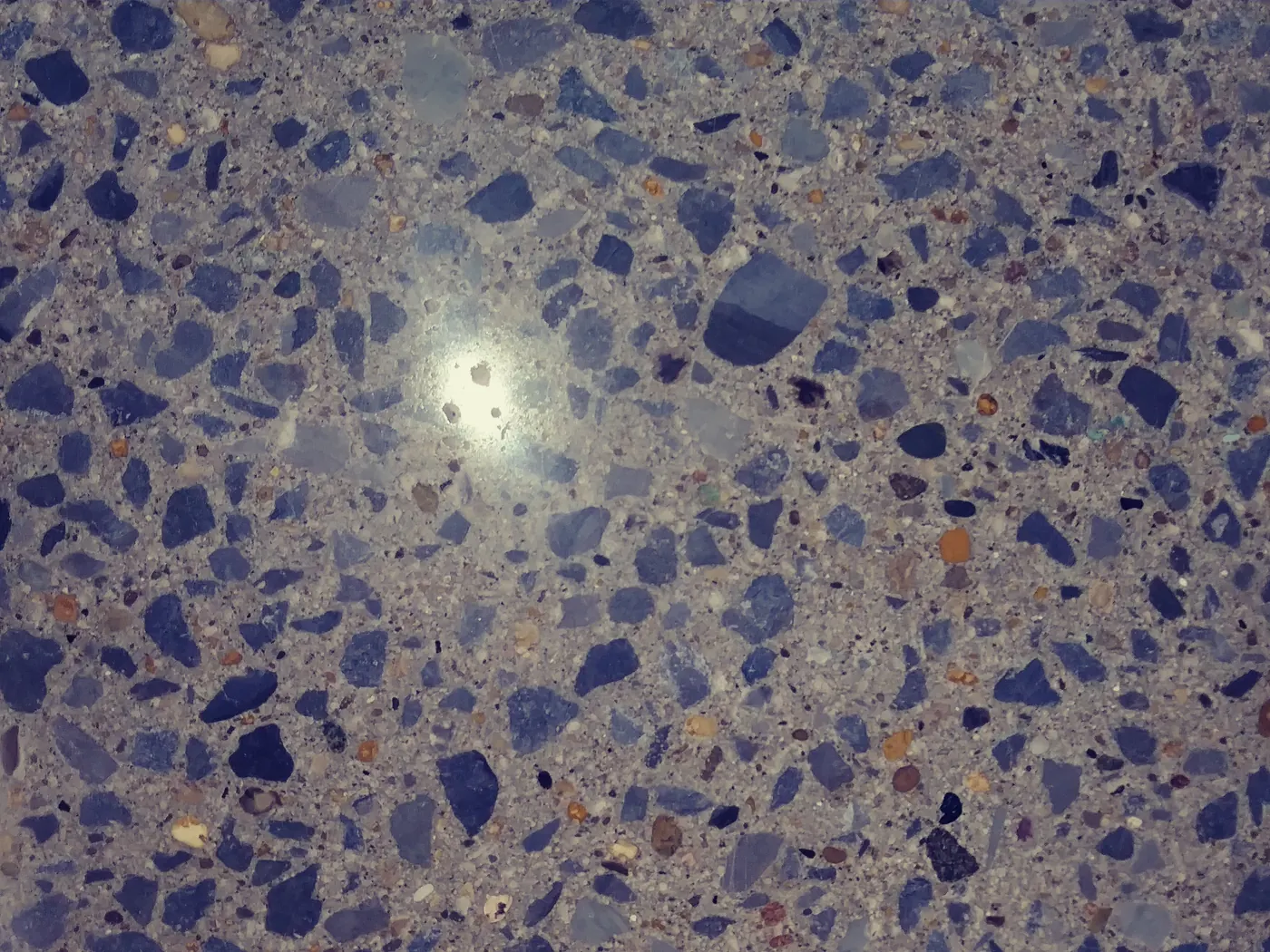
Coating removal, crack and joint repair, hydraulic and polymer cement, and full slab profiling. The prep is the job.
Grind and seal
A fast, affordable upgrade for a bare or dusting slab. Diamond ground clean and flat, then sealed so it stops dusting and cleans easily. The most cost effective floor we do.
Concrete rehab
Cracked, pitted, spalled or uneven concrete brought back to a sound, flat, usable slab. Repair first, then whatever finish you want on top.
Safety floors and striping
Slip resistant floor systems and durable safety striping for aisles, dock zones, pedestrian lanes, wash bays and hazard areas.
Driveway wash and seal
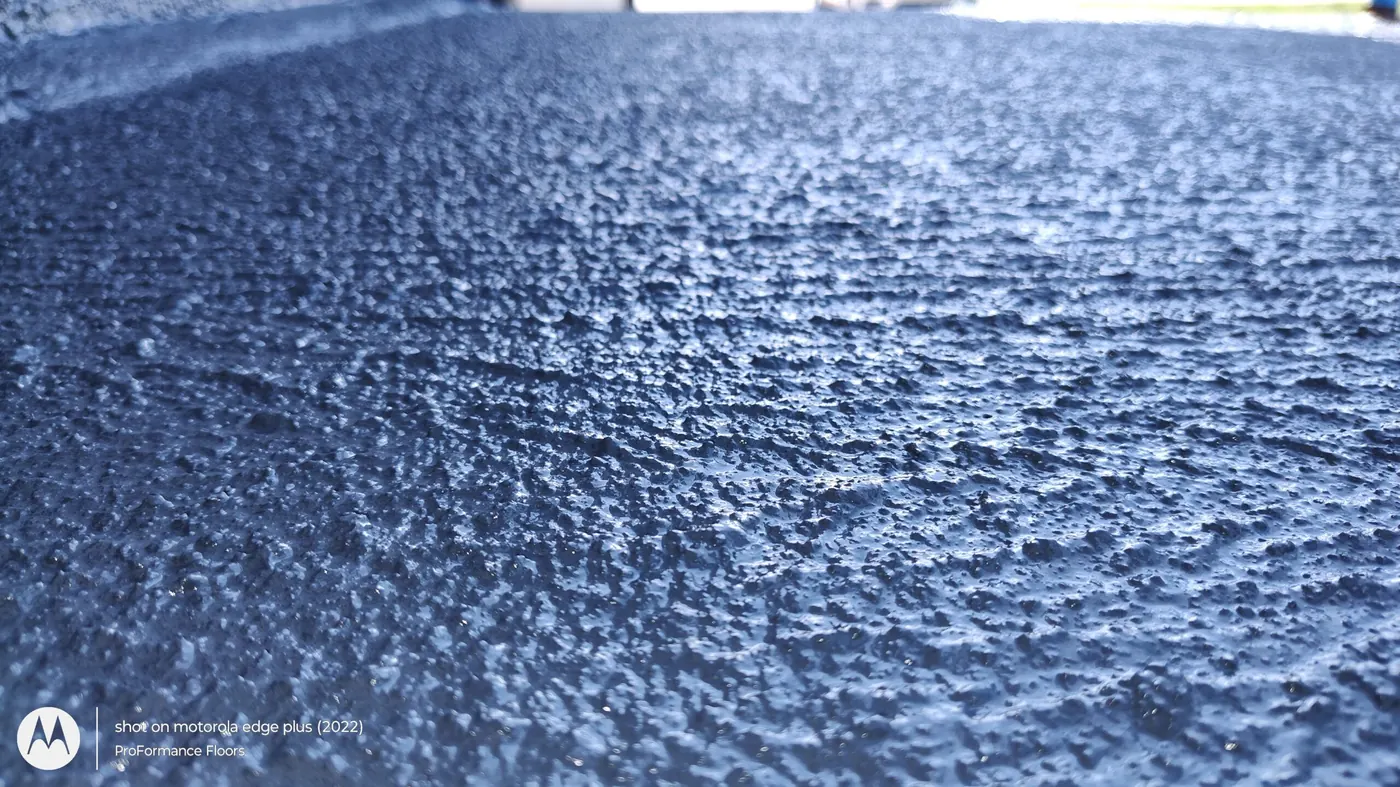
Driveways, walks, patios and pool decks pressure washed, repaired where needed, and sealed so water, oil and salt stay on the surface.
Every review, five stars.
Craig and his team did an outstanding job epoxying our garage floor. He was also prompt with correcting a few minor issues after the job was done. We give Proformance Floors our highest recommendation.
Will use Proformance floors again and recommend them to anyone needing a flooring treatment. Mr. Simon was very quick to get a quote to me, and without the mark up that a few other installers quoted me. The quality and price are unmatched.
They were able to get right out and complete the job, days after requesting a quote. This allowed us to have the job done before moving into the new house. We highly recommend their services!
Industrial coatings questions.
What is the difference between epoxy, polyurea and polyaspartic?
Why do big box store epoxy kits fail?
Can you coat a floor with chemical exposure?
How fast can we be back on it?
Let's talk about your floor.
Tell us what you have and where it is. We will come look at it, tell you what it needs, and give you a number.
Or call (520) 381-9229
craig@proformancefloors.com